
Sapa to Mu Cang Chai: Best Ways to Travel & Scenic Route Guide
Traveling from Sapa to Mu Cang Chai is one of the most scenic journeys in northern Vietnam. Both destinations are famous for their mountain landscapes and terraced rice fields, but the route between them is equally impressive. For travelers seeking dramatic mountain scenery and a deeper experience of rural Vietnam, the trip from Sapa to Mu Cang Chai is well worth the effort.

Overview of Distance and Travel Time
The distance from Sapa to Mu Cang Chai is approximately 130–160 kilometers depending on the route taken. While this may seem relatively short, the mountainous terrain means travel time is longer than expected.
On average, the journey takes around 4.5 to 7 hours. Winding roads, elevation changes, and occasional weather conditions such as fog or rain can affect travel time.
Despite this, the route is considered one of the most beautiful in northern Vietnam, making the journey itself a key part of the experience.
How to Travel from Sapa to Mu Cang Chai
There are several ways to travel from Sapa to Mu Cang Chai, each offering a different level of comfort, flexibility, and adventure. Unlike routes connected to major cities, transport options here are more limited, so planning ahead is important.
Private Car
A private car is the most convenient way to travel between Sapa and Mu Cang Chai. This option allows you to travel directly without needing to change vehicles, and you can stop along the way to enjoy the scenery.

The journey typically takes around 4.5 to 5.5 hours depending on road conditions. Drivers usually follow routes passing through mountain areas and scenic valleys, making the trip both comfortable and visually rewarding.
This option is ideal for families, small groups, or travelers who want a relaxed and customizable experience. You can stop at viewpoints, take photos, or even explore small villages along the route
Motorbike
Traveling by motorbike is one of the most popular ways to experience the route from Sapa to Mu Cang Chai. The journey offers dramatic landscapes, winding mountain roads, and opportunities to explore remote areas.

The trip usually takes around 5 to 7 hours depending on your pace and how often you stop. Many travelers choose to take their time and enjoy the ride rather than rushing to the destination.
This option is best suited for experienced riders who are comfortable navigating mountain roads. Proper safety gear and awareness of weather conditions are essential for a safe journey
Local Bus + Transfer
For budget travelers, taking a combination of local buses is possible, although less convenient. You may need to travel from Sapa to areas like Nghia Lo or other transit points before continuing to Mu Cang Chai.

The total travel time can range from 7 to 9 hours depending on connections and waiting times. Buses are affordable but may be less comfortable and less frequent than other options.
This option is suitable for travelers who are flexible with time and comfortable navigating local transport systems.
Limousine Van
Although not as common as on major routes, some limousine services operate between Sapa and Mu Cang Chai or nearby areas. These vans provide a more comfortable alternative to local buses.

Travel time is usually around 5 to 6 hours. The vehicles are equipped with comfortable seats and air conditioning, making the journey smoother than standard buses.
Availability may be limited, so it is best to book in advance. This option works well for travelers who want comfort without the cost of a private car.
Comparison Table
Transport Option | Travel Time | Cost Level | Comfort | Flexibility | Best For |
Private Car | 4.5–5.5 hours | Mid to High | High | Very flexible | Families, groups |
Motorbike | 5–7 hours | Low to Mid | Basic | Very flexible | Adventure travelers |
Local Bus | 7–9 hours | Budget | Low to Moderate | Limited | Budget travelers |
Limousine Van | 5–6 hours | Mid | High | Moderate | Comfort seekers |
What to Expect from the Journey
The journey begins in the mountainous surroundings of Sapa, where cool temperatures and terraced rice fields define the landscape. As you leave Sapa, the road quickly becomes winding, with views of valleys and distant mountains.
One of the highlights of the route is crossing O Quy Ho Pass, one of the most famous mountain passes in Vietnam. This section offers panoramic views, especially on clear days, and marks a dramatic transition in elevation and scenery.
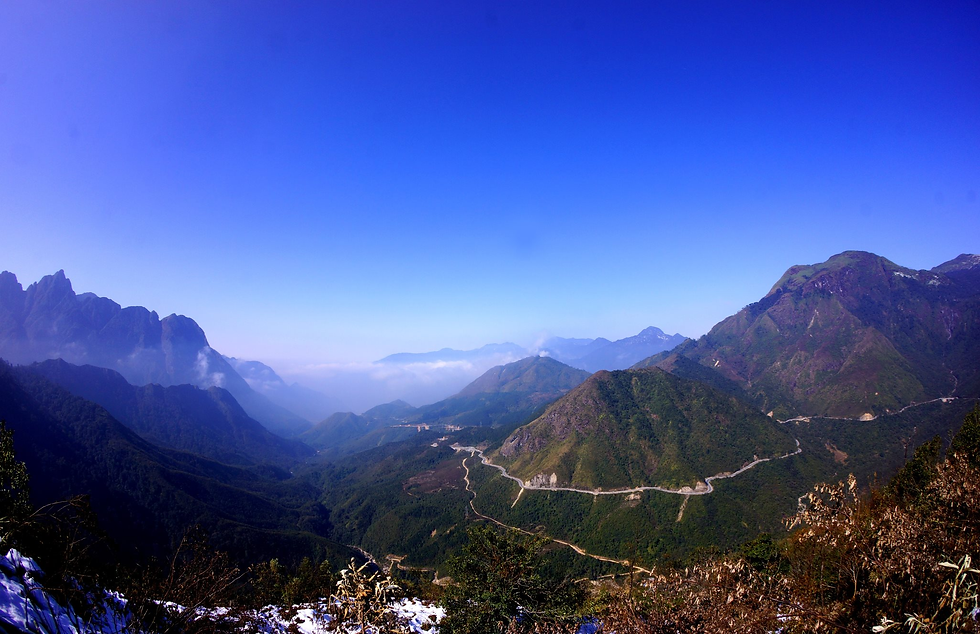
As the journey continues, you pass through areas like Than Uyen, where the landscape opens into wider valleys and agricultural land. The pace of life here feels slower, and the scenery becomes more rural.
Closer to Mu Cang Chai, the terrain becomes more dramatic again, especially around Khau Pha Pass. This is one of the most iconic sections of the route, known for its sweeping views and steep mountain roads.
Finally, arriving in Mu Cang Chai, you are welcomed by some of the most beautiful terraced rice fields in Vietnam. The journey ends with a landscape that feels both remote and visually stunning.
Travel Tips
Start early to make the most of daylight and scenery
Check weather conditions, especially during rainy or foggy seasons
Bring snacks and water, as services may be limited along the route
Ensure your vehicle is in good condition if you travel by motorbike
Book transport in advance during peak travel seasons
Traveling from Sapa to Mu Cang Chai is more than just a transfer between two destinations. It is a journey through some of the most impressive landscapes in northern Vietnam. With the right planning, this route becomes a highlight of your trip, offering a mix of adventure, scenery, and cultural experiences along the way.
Looking to explore northern Vietnam beyond the usual routes? Custom Asia Travel can help you design a personalized itinerary.


Comments