
Sapa in August: Endless Green Rice Terraces and Misty Mountain Adventures
Visiting Sapa in August means experiencing northern Vietnam at one of its most vibrant and visually dramatic moments of the year. The rice terraces are now fully green and stretch endlessly across the mountainsides, waterfalls flow strongly after seasonal rain, and valleys remain wrapped in constantly shifting layers of cloud and mist. Every landscape in Sapa during August feels alive with movement, color, and atmosphere, creating a mountain experience that feels both adventurous and deeply immersive.

Temperature and Climate Overview of Sapa in August
Warm mountain temperatures with refreshing air
Sapa in August usually experiences temperatures ranging between 20–28°C, creating warm but manageable conditions for outdoor exploration. Even though August belongs to the rainy season, the mountain elevation helps keep the air cooler and fresher than many other destinations in Vietnam during summer. Mornings often feel cool and misty, while afternoons become warmer before evening rain showers arrive.

Rain showers continue to shape the landscape
Rain remains an important part of Sapa in August because it maintains the vivid green color of the rice terraces and forests. Showers are common, especially during the afternoon or evening, but they rarely last all day. Instead, the weather changes in cycles, with sunshine, fog, and rain continuously transforming the scenery throughout the journey.
Best Places to Experience Sapa in August
Muong Hoa Valley – Peak green season across the mountains
Muong Hoa Valley reaches one of its most visually stunning stages during August because the rice terraces become fully developed and intensely green. The valley feels larger and more dramatic as the terraces spread across the mountainsides beneath moving clouds and changing light. Rivers flowing through the valley add even more depth to the scenery, especially after rain showers when reflections become stronger across the landscape.

Trekking through Muong Hoa during August feels immersive because every section of the route reveals different layers of mountains, villages, forests, and terraces. The atmosphere constantly shifts between sunlight and mist, creating a landscape that never feels static.
Ta Van Village – Cultural experiences during farming season
Ta Van Village becomes especially rewarding in August because the surrounding rice terraces are at their greenest while village life remains deeply connected to agricultural work. Farmers continue maintaining the terraces throughout the season, creating an authentic environment where local life and natural scenery blend together naturally. Wooden houses, rivers, and bamboo paths all become surrounded by thick green landscapes that define the beauty of Sapa during summer.

O Quy Ho Pass – Dramatic weather and mountain roads
O Quy Ho Pass becomes one of the most atmospheric destinations in Sapa during August because clouds and fog move constantly through the mountains along the route. One moment the pass may reveal endless panoramic views across distant valleys, while the next moment thick mist covers the road entirely. This unpredictability creates an adventurous feeling that makes the journey unforgettable.

Fansipan – Above the clouds during rainy season
Fansipan in August offers a particularly dramatic mountain atmosphere because the rainy season fills surrounding valleys with moving cloud formations. Riding the cable car upward through layers of fog and mist creates a surreal feeling, especially when the clouds suddenly open to reveal mountain ranges stretching across northern Vietnam.
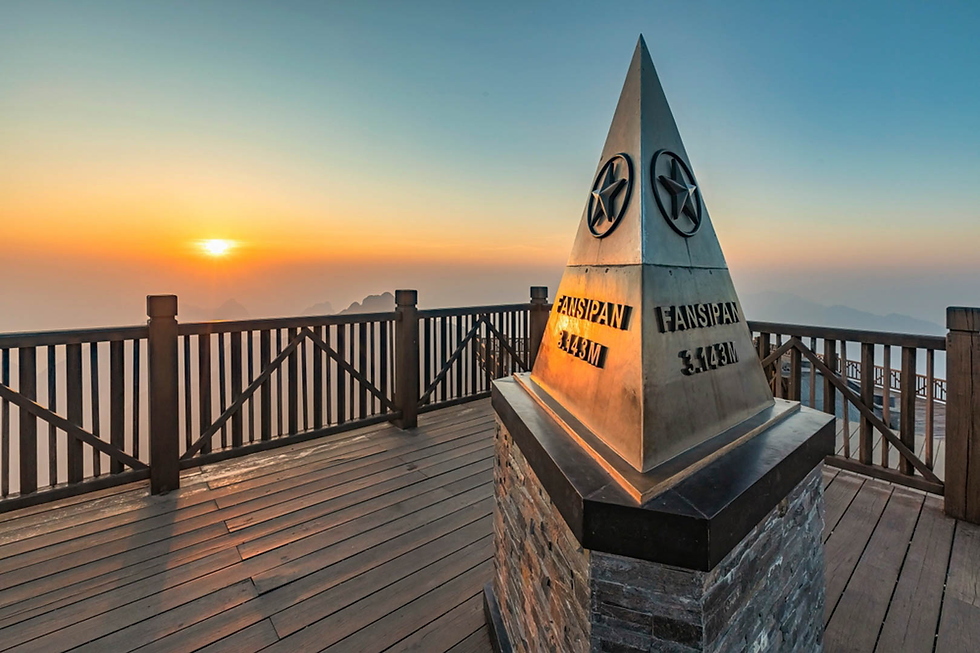
At the summit, weather conditions can change rapidly within minutes. Some travelers experience clear blue skies and endless visibility, while others encounter thick clouds that create a quiet and mysterious atmosphere around the temples and mountain paths.
Silver Waterfall – Strong waterfalls and fresh mountain air
Silver Waterfall becomes especially powerful during August because seasonal rainfall increases the flow of water rushing down the mountainside. The surrounding vegetation also appears greener and denser, making the entire area feel more dramatic and refreshing. Mist rising from the waterfall combines with cool mountain air to create a refreshing stop after trekking or driving through warmer valleys.

Highlight Experiences in Sapa in August
Trekking through endless green rice terraces
August is one of the most rewarding months for trekking in Sapa because the rice terraces reach their peak green season before turning golden later in autumn. Routes through Lao Chai, Ta Van, Muong Hoa Valley, and Y Linh Ho reveal mountainsides completely covered in layered rice fields that stretch endlessly into the distance. The scenery feels larger and more immersive because the terraces dominate almost every visible part of the landscape.

Photographing dramatic cloud and terrace landscapes
Sapa in August offers exceptional photography conditions because of the interaction between green terraces, mountain fog, and shifting summer light. Early mornings often bring low clouds floating through the valleys, while sunsets after rain showers create golden light reflecting across rivers and rice fields. The contrast between bright greenery and dark mountain peaks creates depth and texture that feels incredibly cinematic in photographs.
Experiencing local life during agricultural season
One of the most meaningful aspects of Sapa in August is the opportunity to witness everyday life during the height of farming season. Villages become more active as local communities continue working across the terraces, maintaining irrigation systems, and preparing the fields for the coming harvest months. Travelers walking through these villages experience not only beautiful scenery but also the cultural rhythm that shapes life in the mountains.
Riding through mountain roads beneath moving clouds
Motorbike and car journeys around Sapa become especially unforgettable during August because mountain roads are constantly transformed by changing weather conditions. Roads curve around valleys, disappear into drifting fog, and reopen beneath wide panoramic views moments later.

Routes toward O Quy Ho Pass are particularly spectacular because clouds often move directly across the mountains while sunlight illuminates terraces far below. This creates some of the most dramatic road scenery in northern Vietnam.
What to Eat in Sapa in August
Salmon hotpot during cool evenings
Even though August belongs to the warm season, evenings in Sapa still feel cool enough for hotpot meals, especially after rain showers. Salmon hotpot remains one of the region’s signature dishes, combining locally farmed fish with vegetables and herbs in a flavorful broth.

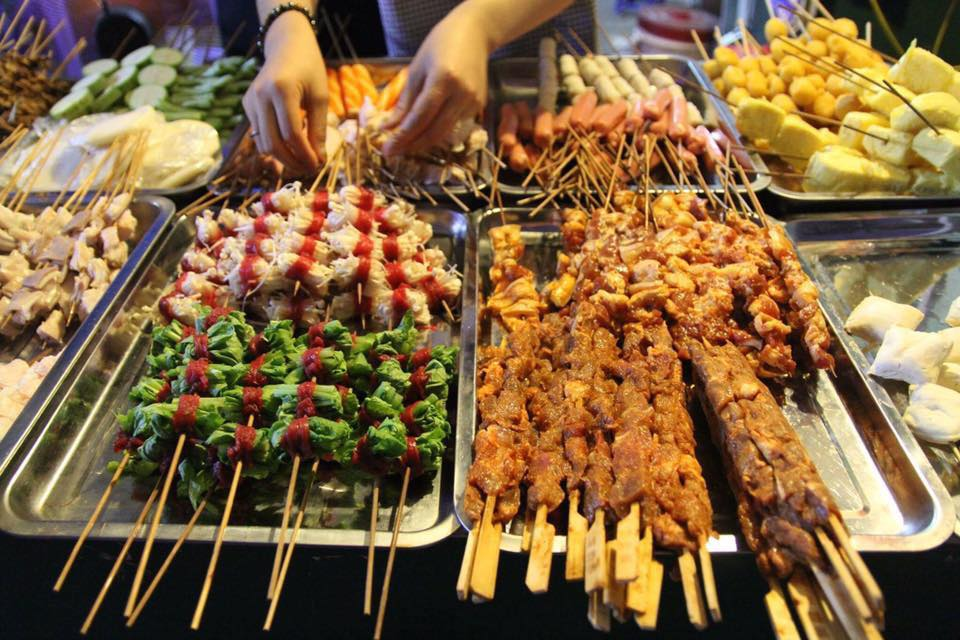
Grilled barbecue and mountain street food
Street barbecue becomes especially enjoyable during August evenings because cool temperatures after rainfall create the perfect atmosphere for grilled dishes. Pork skewers, sticky rice, vegetables, and local specialties are cooked over charcoal throughout Sapa Town, filling the streets with smoky aromas and creating a lively nighttime environment.
Travel Tips for Sapa in August
Bring waterproof clothing because sudden rain showers are common during the day.
Wear trekking shoes with strong grip for muddy and slippery trails.
Start outdoor activities early for cooler temperatures and clearer views.
Keep electronic devices protected from rain and mountain moisture.
Sapa in August stands out because the mountains feel completely alive with color, weather, and movement. Rice terraces reach their richest green stage, waterfalls become more powerful, and clouds drift endlessly across valleys and mountain roads, creating scenery that changes constantly throughout the day. The atmosphere feels bold, immersive, and deeply connected to the rhythm of nature.
If you want to explore Sapa in August with carefully planned trekking routes, authentic local experiences, and seamless travel arrangements, working with Custom Asia Travel can help create a smoother and more meaningful mountain adventure.


Comments