
Sapa in September: Golden Rice Terraces and the Most Beautiful Harvest Season
Visiting Sapa in September means arriving at the exact moment when the mountains of northern Vietnam transform into endless layers of gold. This is widely considered one of the most spectacular times of the year to experience Sapa because the landscapes feel both dramatic and peaceful at the same time.

Temperature and Climate Overview of Sapa in September
Cooler temperatures and comfortable autumn weather
Sapa in September usually experiences temperatures ranging from 18–26°C, creating comfortable conditions for trekking and outdoor exploration throughout the day. The intense summer heat begins to fade, while mornings and evenings become noticeably cooler and fresher. This shift toward autumn makes traveling around the mountains feel more relaxing and physically comfortable compared to the hotter summer months.

The cooler air also improves long trekking experiences because travelers can spend hours walking through valleys and terraces without dealing with excessive heat or humidity.
Less rainfall and clearer mountain visibility
Rain still appears occasionally in September, but the weather becomes far more stable compared to July and August. Heavy downpours become less frequent, allowing longer periods of sunshine and clearer views across the valleys. This improvement in visibility dramatically changes the appearance of Sapa because mountain ranges, terraces, and villages become easier to see from panoramic viewpoints.
Soft sunlight enhances the harvest scenery
One of the most beautiful aspects of Sapa in September is the quality of the light itself. Sunlight becomes softer and warmer, especially during early mornings and late afternoons when golden light spreads across the terraces and mountain slopes. These lighting conditions create incredible depth and texture across the landscape, making every valley and viewpoint feel visually dramatic.
Best Places to Experience Sapa in September
Muong Hoa Valley – The heart of harvest season scenery
Muong Hoa Valley becomes the center of Sapa’s harvest beauty during September because the rice terraces turn brilliant shades of yellow and gold across the entire valley. The contrast between golden fields, dark mountain ranges, and blue autumn skies creates one of the most iconic landscapes in Vietnam.

Lao Chai Village – Endless golden terraces beside the mountains
Lao Chai Village becomes especially breathtaking in September because terraces surround the village in every direction, creating panoramic views that feel almost endless. Wooden houses sit beside golden rice fields while mountain ridges rise dramatically behind the valley, forming one of the most recognizable landscapes in northern Vietnam. Walking through Lao Chai during harvest season allows travelers to experience the scale and beauty of Sapa’s agricultural scenery from close range.

O Quy Ho Pass – Panoramic mountain roads in autumn light
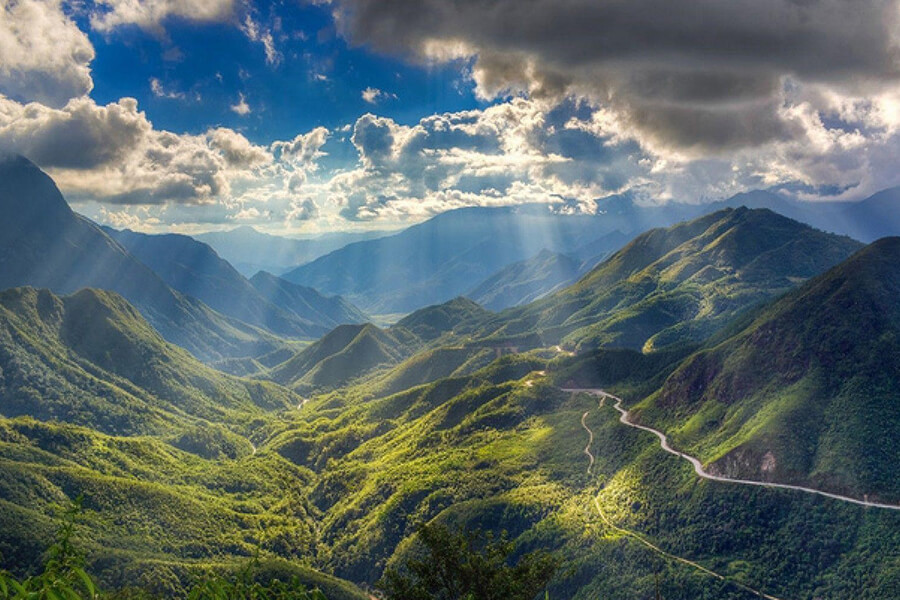
O Quy Ho Pass offers some of the most dramatic road scenery in Sapa during September because clearer weather reveals wide mountain panoramas across the region.
Driving or riding through O Quy Ho during harvest season feels especially rewarding because the valleys below begin showing golden rice terraces scattered across the landscape. The combination of mountain roads, fresh air, and changing autumn light creates an unforgettable travel experience.
Fansipan – Clearer summit views above the valleys
September often provides better visibility at Fansipan compared to the wetter summer months, making this one of the best periods to experience panoramic mountain views from northern Vietnam’s highest peak. The cable car journey passes above forests and valleys where golden terraces begin appearing between the mountains.
The cooler autumn atmosphere also makes walking around the summit area far more comfortable. Temples, pathways, and viewpoints feel calmer and more enjoyable beneath fresh mountain air.

Ta Van Village – Harvest season village life
Ta Van Village in September combines beautiful scenery with authentic local activity because the harvest season shapes daily life throughout the valley. Rice terraces glow golden around the village while local communities work together across the fields from morning until evening.

Highlight Experiences in Sapa in September
Trekking through golden rice terrace landscapes
September is widely considered the best trekking season in Sapa because the rice terraces reach their most iconic visual stage before harvest is completed. Trekking routes through Muong Hoa Valley, Lao Chai, Ta Van, and Y Linh Ho become surrounded by golden terraces layered across steep mountainsides in every direction. The scenery feels larger and more dramatic because sunlight constantly changes the color and texture of the fields throughout the day.

Photographing Sapa during peak harvest season
Photography conditions in Sapa during September are among the best of the entire year because the golden rice terraces combine perfectly with clearer weather and softer autumn sunlight. Sunrise often creates layers of fog floating above glowing valleys, while late afternoon light transforms entire mountainsides into warm golden landscapes. The contrast between terraces, villages, rivers, and distant peaks creates endless opportunities for landscape photography.

Experiencing harvest season culture in the villages
One of the most meaningful aspects of Sapa in September is the opportunity to witness harvest season traditions across the mountain villages. This is one of the busiest agricultural periods of the year, and the atmosphere throughout the valleys reflects the importance of the harvest to local communities. Travelers walking through villages can observe rice being collected, dried, transported, and prepared for storage throughout the day.

Riding mountain roads through autumn scenery
Traveling around Sapa by motorbike or car during September offers some of the most scenic mountain roads in Vietnam because the valleys below become covered in golden harvest terraces. Routes toward O Quy Ho Pass and surrounding villages reveal panoramic landscapes where rice fields, rivers, forests, and mountain peaks combine beneath clear autumn skies.
What to Eat in Sapa in September
Fresh seasonal vegetables from the mountains
September remains an excellent season for fresh vegetables and herbs grown throughout the villages surrounding Sapa. Meals often include mountain greens, mushrooms, bamboo shoots, and locally harvested ingredients that reflect the richness of the harvest period.
Sticky rice during harvest season
Sticky rice becomes especially meaningful in September because it connects directly to the harvest season happening across the valleys. Local communities prepare different sticky rice dishes using freshly harvested ingredients, creating meals that feel deeply connected to agricultural traditions and mountain culture.

Salmon hotpot in cool evening weather
As temperatures begin cooling down in the evenings, salmon hotpot becomes one of the most enjoyable meals to experience in Sapa during September. Sharing hotpot while overlooking misty valleys becomes one of the simple pleasures of traveling in Sapa during autumn.

Travel Tips for Sapa in September
Book accommodation early because September is one of Sapa’s most popular travel months.
Start trekking early in the morning for softer light and cooler temperatures.
Bring light layers because mornings and evenings can feel chilly.
Carry rain protection since occasional showers may still appear.
Sapa in September stands out because it combines nearly everything travelers hope to experience in northern Vietnam into one unforgettable season. The rice terraces reach their golden harvest stage, the weather becomes more stable, and the mountains reveal clearer panoramic views beneath soft autumn sunlight. Every valley, village, and mountain road feels visually rich and emotionally immersive.
If you want to explore Sapa in September with carefully planned trekking routes, authentic cultural experiences, and seamless travel arrangements, working with Custom Asia Travel can help create a smoother and more meaningful mountain journey.


Comments