
Sapa in February: When Spring Colors Begin to Bloom in the Mountains
Visiting Sapa in February feels like witnessing a quiet transformation, where the region slowly moves away from the harshness of winter and begins to embrace the softness of early spring.Unlike January’s grey and fog-heavy mood, Sapa in February feels lighter, more open, and visually alive, making it one of the most balanced times to explore northern Vietnam.

Temperature and Climate Overview of Sapa in February
A noticeable shift toward warmer days Sapa in February experiences a clear transition in temperature, with daytime levels ranging from 10–22°C, creating a more comfortable environment for outdoor exploration. While mornings still carry a cool, crisp feeling and evenings remain chilly, the intensity of winter has eased significantly. The presence of sunlight during midday makes walking, trekking, and sightseeing far more enjoyable.

More sunshine with dynamic mountain visibility Unlike the dense fog of January, February brings more frequent clear skies, allowing visitors to appreciate the full beauty of the mountains. The mist still appears, but it becomes part of a dynamic landscape rather than a constant barrier. Views of valleys, terraced fields, and distant peaks become more accessible throughout the day.
Dry weather supporting outdoor travel Rainfall remains relatively low in February, which makes it easier to plan activities such as trekking and sightseeing without major interruptions. Although humidity still exists, it feels less heavy, allowing for a more comfortable experience overall.
Scenic Stops to Explore in Sapa in February
Fansipan Mountain – where clouds meet spring light A visit to Fansipan Mountain is one of the most unforgettable experiences in Sapa in February, especially as the weather begins to clear and sunlight interacts beautifully with drifting clouds. Taking the cable car up to the summit feels like moving between seasons, where winter mist slowly gives way to brighter skies. At the top, panoramic views stretch across mountain ranges, offering moments of clarity that are rare in colder months.

Cat Cat Village – blooming life in a traditional setting Walking through Cat Cat Village, you’ll notice how February brings a gentle transformation,
as peach blossoms and other seasonal flowers begin to appear around wooden houses and pathways. The village feels more colorful and lively compared to January, while still maintaining its calm and authentic atmosphere. Small streams, terraced hills, and traditional crafts create a setting that feels both natural and cultural. This is one of the best places to observe how daily life continues alongside seasonal change.

Muong Hoa Valley – layers of color and depth Muong Hoa Valley in February offers a unique combination of terracedư
landscapes, soft sunlight, and early spring blooms that create a rich visual experience. The fields are not yet green, but the textures of the land combined with flowers and mist create depth and contrast. Walking or trekking through this valley feels peaceful and immersive, as the scenery unfolds gradually around you. It’s a place where the transition between seasons becomes clearly visible.

Ta Phin Village – cultural depth and floral beauty Located slightly further from the main town, Ta Phin Village offers a quieter and more intimate experience, where you can explore traditional Red Dao culture in a peaceful setting. In February, the village is surrounded by blooming flowers, adding color to its natural landscape. The slower pace allows you to connect more deeply with the environment and local life. This destination is perfect for those seeking a less crowded but equally rewarding experience.

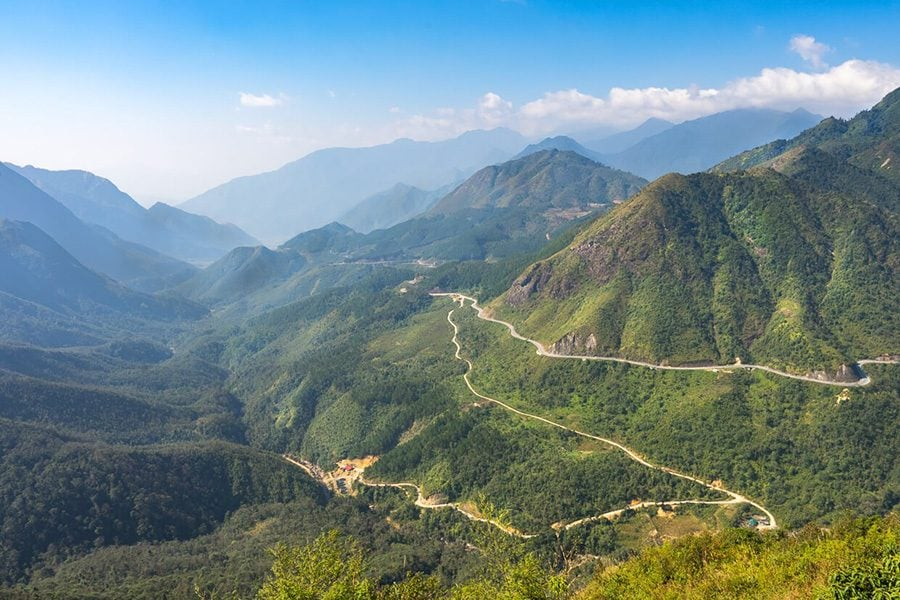
O Quy Ho Pass – the gateway to mountain panoramas Driving along O Quy Ho Pass, one of the most famous mountain passes in Vietnam, reveals breathtaking views that become clearer in February’s improved weather conditions. The road winds through high elevations, offering sweeping views of valleys and distant peaks. Along the way, you’ll notice flowers beginning to bloom, adding vibrant touches to the rugged landscape. This journey highlights the dramatic beauty of Sapa’s geography during early spring.
Highlight Experiences in Sapa in February
Chasing clouds above the valleys Cloud hunting is one of the most rewarding activities in Sapa in February, especially as clearer skies improve your chances of seeing vast cloud formations stretching across the mountains. Standing at viewpoints above Muong Hoa Valley or near Fansipan Mountain, you can watch clouds move and shift with the wind. The interaction between sunlight and mist creates constantly changing scenery. This experience feels both peaceful and visually stunning.

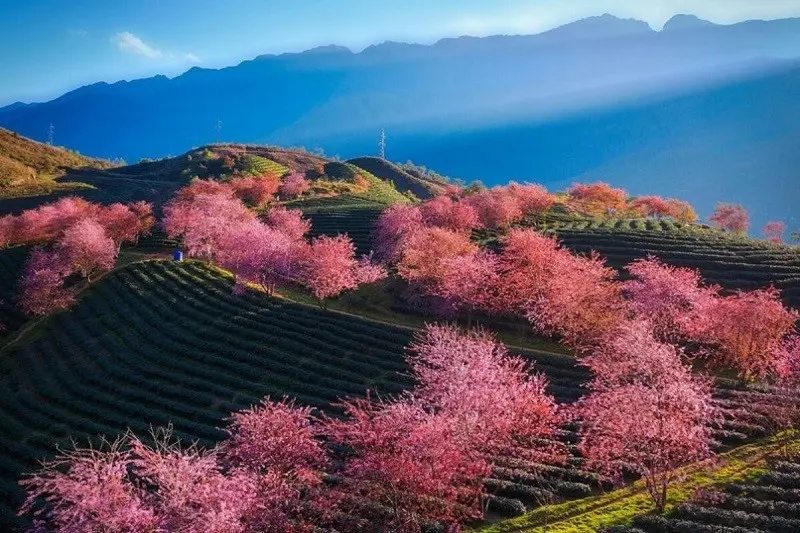
Walking through blooming mountain villages February marks the beginning of Sapa’s flower season, where peach blossoms, plum flowers, and other spring blooms appear across villages like Cat Cat Village and Ta Phin Village. Walking through these areas feels completely different compared to winter, as color returns to the landscape. The presence of flowers creates a softer and more inviting atmosphere. This is one of the most photogenic times to visit Sapa.
Experiencing early spring festivals During February, many ethnic communities begin celebrating early spring festivals, bringing music, traditional clothing, and local customs to life. These events often take place in villages around Sapa, offering a deeper cultural experience beyond sightseeing. The atmosphere feels lively yet authentic, reflecting the traditions of the region. Participating in or observing these festivals adds a meaningful layer to your journey.
Trekking with comfortable weather conditions Trekking in Sapa in February becomes more enjoyable compared to colder months, as the weather is cool but not extreme. Trails through valleys and villages feel more accessible, allowing for longer and more relaxed exploration. The combination of fresh air, scenic views, and blooming landscapes enhances the overall experience. Each trek feels like a journey through both nature and culture.
Local Food to Try in Sapa in February
Hotpot – comfort in the cool evenings Even though February is warmer than January, evenings in Sapa still call for a comforting hotpot meal. The combination of rich broth, fresh vegetables, and local meats creates a satisfying dining experience after a day of exploring. Sharing hotpot with friends or hosts also adds a social and cultural element. It remains one of the most essential dishes to try.

Grilled street food in the town center Around Sapa Town Center, evening BBQ stalls come alive with skewers of meat, vegetables, and local specialties grilled over charcoal. The slightly warmer weather makes it more comfortable to enjoy food outdoors. The aroma, warmth, and lively atmosphere create a memorable experience. This is one of the simplest yet most enjoyable parts of visiting Sapa.

Fresh salmon and sturgeon dishes Sapa’s cool climate makes it an ideal place for fresh salmon and sturgeon, which are often prepared in hotpot or grilled dishes. These ingredients offer flavors that are both rich and distinctive. Trying them provides a unique culinary experience not commonly found elsewhere in Vietnam. It adds depth to your food journey in Sapa.

Travel Tips for Sapa in February
Pack layers to adjust to changing temperatures throughout the day.
Plan outdoor activities during late morning and afternoon for the best weather.
Wear proper trekking shoes for uneven and slightly damp terrain.
Check local festival dates to experience cultural events.
Sapa in February is a season of transition, where winter slowly fades and spring begins to reveal itself through warmer light, blooming flowers, and a more vibrant atmosphere. The combination of comfortable weather, scenic beauty, and cultural richness makes it one of the most rewarding times to visit this mountainous region.
If you want to experience Sapa in February with a carefully designed itinerary, local expertise, and seamless travel planning, working with Custom Asia Travel can be the best choice.


Comments