
Sapa Mountains: Exploring the Majestic Peaks of Northern Vietnam
The Sapa Mountains represent the rugged and awe-inspiring backbone of Northern Vietnam, drawing travelers with their mist-covered peaks and emerald valleys. This guide explores the geographic marvel of the Hoang Lien Son range while highlighting the unique cultural and natural features that define the region. By understanding the layout and spirit of these mountains, visitors can better appreciate why this highland destination remains an essential part of any Southeast Asian journey.

About the Sapa Mountains
The Sapa Mountains are primarily part of the Hoang Lien Son range, which serves as the southeast extension of the majestic Himalayan chain into the Indochinese peninsula. This mountain system runs for approximately 180 kilometers, effectively separating the Northwest region from the Red River Delta and creating a natural border between Lao Cai and Lai Chau provinces. The geology here is a fascinating mix of ancient limestone and sturdy granite, resulting in the jagged and dramatic silhouettes that have made the region famous.
Historically, these mountains remained a secluded sanctuary for various ethnic minority groups long before the French established a hill station here in the early 20th century. The unique topography consists of high-altitude ridges that often exceed 2,000 meters, with several peaks reaching well over the 3,000-meter mark. This vertical landscape has dictated everything from the local architecture to the complex irrigation systems used for farming on steep inclines.
The climate within these mountains is remarkably distinct from the tropical lowlands, often featuring a temperate or even alpine environment depending on the elevation. It is common to experience rapid weather shifts where bright sunshine is suddenly replaced by a thick, swirling mist that completely obscures the horizon. This moisture-rich environment is what feeds the countless streams and waterfalls that cascade down into the Muong Hoa Valley below.

What makes the Sapa Mountains so special?
One of the most defining characteristics of the Sapa Mountains is the "four seasons in one day" phenomenon, where the atmosphere shifts from a chilly spring morning to an intense summer sun by noon. This unpredictable climate has fostered a highly diverse ecosystem that serves as a sanctuary for thousands of rare plant and animal species found nowhere else in Vietnam. The higher elevations host dense primary forests, while the lower slopes are carved into the world-famous rice terraces that change color with the harvest cycle.
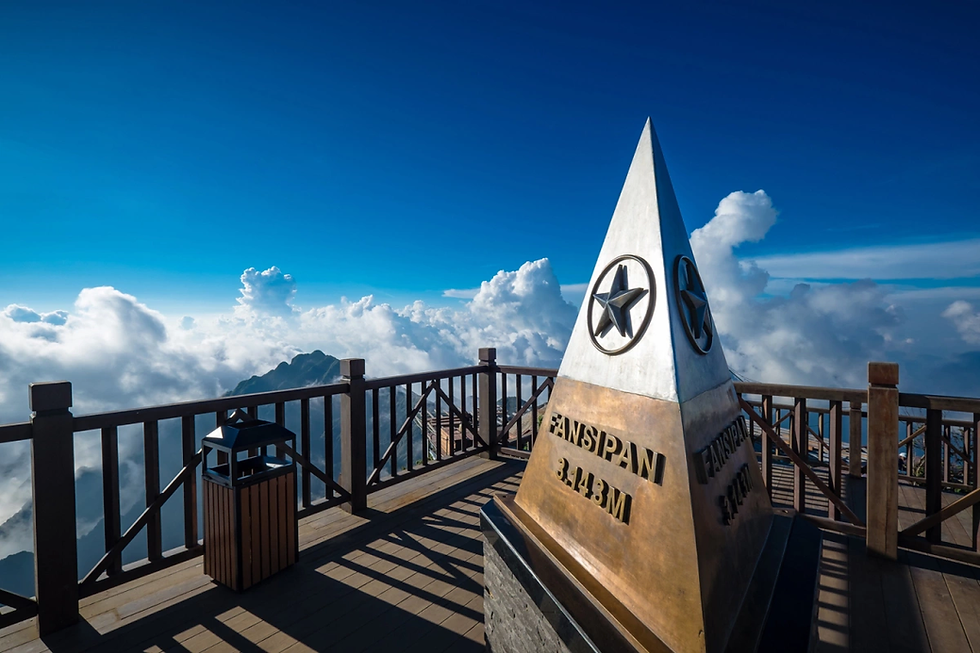
The mountains are also home to Fansipan, famously known as the "Roof of Indochina," which stands at a staggering 3,147 meters above sea level. This peak is more than just a geographic milestone; it is a symbol of endurance and a major spiritual center for the Vietnamese people. Standing at the summit provides a perspective of the earth that feels truly celestial, especially when the clouds roll in to create a solid white ocean beneath your feet.
What truly sets this landscape apart is the seamless integration of human life with the rugged terrain of the Sapa Mountains. For centuries, the H'mong, Dao, and Giay people have built their villages on the steep slopes, adapting their entire way of life to the vertical world. Seeing a small wooden stilt house perched on the edge of a mountain cliff provides a profound sense of how resilient and harmonious the relationship between the locals and their environment remains.
Furthermore, the geological diversity of the range includes unique formations like the "Stone Forest" on Ham Rong Mountain and the hidden labyrinths of the Ta Phin Cave system. These natural features offer a stark contrast to the soft, rolling lines of the rice paddies, adding a rugged edge to the valley's beauty. This variety ensures that every turn of a mountain path reveals a new visual surprise, from sheer granite walls to hidden groves of ancient rhododendrons.

Activities you must try in Sapa Mountains
Conquering the Summit of Fansipan
The ultimate activity in the Sapa Mountains is reaching the top of Fansipan to experience the panoramic views from the highest point in Indochina. Travelers can choose between a challenging two-day trek through primary forests or a breathtaking 15-minute ride on the world-record-breaking cable car system. Regardless of the method, reaching the summit provides access to a magnificent spiritual complex and a 360-degree view that is unrivaled in Southeast Asia.
Scenic Photography at O Quy Ho Pass
For those who prefer a less strenuous way to admire the peaks, a journey to the O Quy Ho Pass offers some of the most dramatic views in the region. This mountain pass is one of the four great passes of Northwest Vietnam, snaking along the side of the Hoang Lien Son range at an altitude of over 2,000 meters. Stopping at the various viewpoints allows you to capture the sunset as it dips behind the jagged peaks, painting the sky in vibrant shades of violet and gold.

Immersive Walking Tours in the Foothills
Exploring the foothills of the Sapa Mountains on foot allows you to witness the intricate connection between the landscape and the ethnic minority villages. Walking through areas like Y Linh Ho or Hau Thao puts you right in the middle of the towering rice terraces and the traditional farming life. These walks are less about reaching a peak and more about soaking in the quiet majesty of the mountains while learning about the local cultures that have thrived here for generations.

Discovering Hidden Waterfalls
The high-altitude runoff from the mountain peaks creates spectacular waterfalls like the Silver Waterfall and the Love Waterfall, which are essential stops for nature lovers. These cascades are tucked away in the lush forests of the national park, offering a cool and misty retreat from the midday sun. Walking the forest paths to reach these falls provides an opportunity to see the unique alpine flora and enjoy the natural symphony of rushing water and birdsong.

The Sapa Mountains are a testament to the raw power and enduring beauty of the Vietnamese highlands, offering an experience that is both physically rewarding and spiritually enriching. Whether you are standing on the highest summit of Fansipan or wandering through the misty foothills of a local village, the landscape leaves a lasting impression on the soul. To ensure your journey through these majestic peaks is as smooth and memorable as possible, let Custom Asia Travel help you plan every detail of your mountain adventure.


Comments